

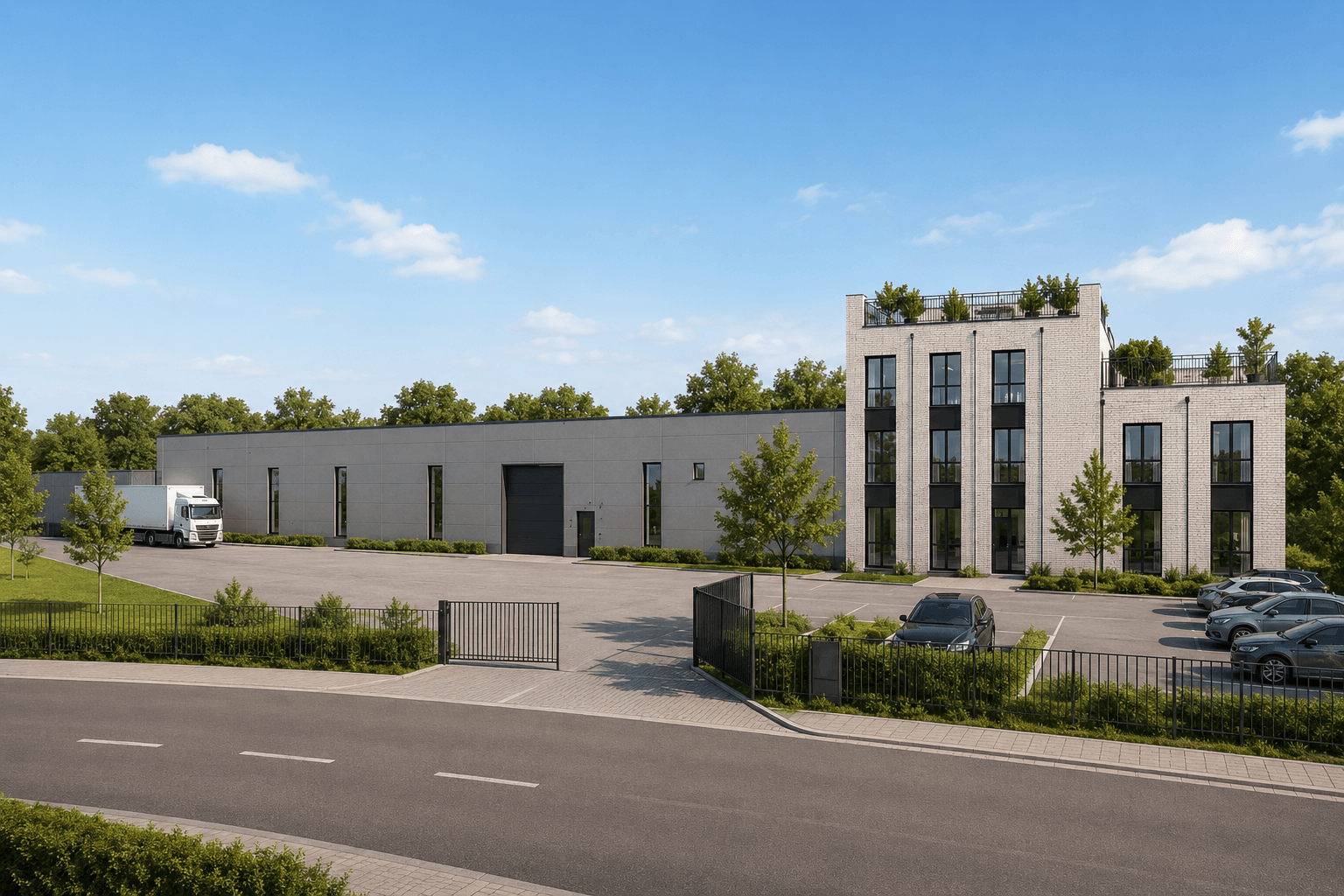

Who This Guide Is For
Many commercial properties in North Rhine-Westphalia are owned by people who have used them themselves for decades, inherited them, or managed them alongside their core business—and who may only sell such a property once in a lifetime. We wrote this guide specifically for these owners:
- Business owners who are handing over, selling, or relocating their business
- Owner-occupiers who wish to free up capital from their business property
- Communities of heirs and successors who need a common basis for decision-making
- Private property owners, property management companies, and smaller project developers
Professional investors can find details about our transaction process on the page “7-Phase Transaction Process.”

10 Keys to Success in Selling Your Commercial Property
Whether it’s an office building, industrial facility, logistics property, or business park: In our experience, these ten factors determine how successful a sale will be—in terms of price, speed, and certainty all the way through to the notary appointment.
-
 1. A reliable baseline figure
The first step is to establish a realistic price range—calculated the way buyers do: based on required returns, rental income, and actual comparable transactions. A well-founded figure gives you confidence in all subsequent decisions. Get a free indicative valuation.
-
 2. A consultant with a proven track record
Ask your advisor which comparable properties they have sold in the last twelve months—in your asset class and in your region. Recent sales show that someone is familiar with current demand.
-
 3. Direct access to suitable buyers
A good advisor can tell you right away which buyer groups are suitable for your property—and has a database containing at least three-digit number of suitable investors. At Angermann NRW, this database includes over 3,000 structured investor profiles.
-
 4. The Right Type of Buyer
Owner-occupiers, family offices, private and institutional investors, and sale-and-lease-back investors all value the same property differently. Those who know for whom the property holds the greatest value can target the right audience.
-
 5. Complete documentation prior to market launch
A list of tenants, floor plans, the energy performance certificate, and documentation of investments made in recent years—such as the roof, building systems, or fire safety measures—should be on the table before the initial discussion. Well-documented improvements are factored directly into the price.
-
 6. The Right Sales Channel
Open marketing, a phased approach, or a discreet off-market sale: The choice depends on the property, the objective, and the buyer pool. To find out which approach works best and when, see “Sales Channels” below.
-
 7. Competition among qualified bidders
A structured process involving several vetted prospective buyers generally yields the best price. Quality over quantity: The key is to find bidders who are a good fit for the property and have sufficient capital.
-
 8. Evaluate bids based on quality
The best bid is often the safest: proof of financing, the likelihood of closing, and contract terms matter just as much as the number before the decimal point.
-
 9. A Facilitated Due Diligence Process
The buyer’s due diligence phase determines whether the agreed-upon price will hold. A well-managed data room, filtered inquiries, and open communication on technical issues keep the transaction on track.
-
 10. Consider Taxes, Legal Matters, and Your Personal Situation Early On
Tax advisors and legal counsel should be involved from the very beginning. And the right timing depends on market conditions and your specific situation: succession planning, liquidity needs, financing, and your investment portfolio.
What is your commercial property worth?
Comparable values provide guidance—they offer a reliable picture only when the property type, location, rental situation, and buyer group truly align. Selling an office building in downtown Cologne follows different rules than selling a logistics warehouse in the surrounding area, even if the floor space is similar.
Investors base their calculations on income: What return does the market demand for this exact product? How secure is the rent? How easily can the property be re-leased? Owner-occupiers calculate based on their own space requirements. As a result, the same property can have different values for different buyers.
Factors that go into a reliable valuation:
- Location and micro-location
- Lease agreement: term, tenant’s creditworthiness, value protection
- Property condition and documented investments
- Potential for alternative use and re-leasability
- Comparable transactions from our own deals and transaction databases

What is your property worth today?
Paul Rieker from our investment team will personally take the time to assess your property and provide you with a free indicative valuation, including a price range—confidential and non-binding. You’ll hear from us within 24 hours, and the results are typically available about five business days after the initial consultation.

Paul Rieker
Investment, Landlord Services
10 Keys to Success in Selling Your Commercial Property
Whether it’s an office building, industrial facility, logistics property, or business park: In our experience, these ten factors determine how successful a sale will be—in terms of price, speed, and certainty all the way through to the notary appointment.
-
1. A reliable baseline figure
The first step is to establish a realistic price range—calculated the way buyers do: based on required returns, rental income, and actual comparable transactions. A well-founded figure gives you confidence in all subsequent decisions. Get a free indicative valuation.
-
2. A consultant with a proven track record
Ask your advisor which comparable properties they have sold in the last twelve months—in your asset class and in your region. Recent sales show that someone is familiar with current demand.
-
3. Direct access to suitable buyers
A good advisor can tell you right away which buyer groups are suitable for your property—and has a database containing at least three-digit number of suitable investors. At Angermann NRW, this database includes over 3,000 structured investor profiles.
-
4. The Right Type of Buyer
Owner-occupiers, family offices, private and institutional investors, and sale-and-lease-back investors all value the same property differently. Those who know for whom the property holds the greatest value can target the right audience.
-
5. Complete documentation prior to market launch
A list of tenants, floor plans, the energy performance certificate, and documentation of investments made in recent years—such as the roof, building systems, or fire safety measures—should be on the table before the initial discussion. Well-documented improvements are factored directly into the price.
-
6. The Right Sales Channel
Open marketing, a phased approach, or a discreet off-market sale: The choice depends on the property, the objective, and the buyer pool. To find out which approach works best and when, see “Sales Channels” below.
-
7. Competition among qualified bidders
A structured process involving several vetted prospective buyers generally yields the best price. Quality over quantity: The key is to find bidders who are a good fit for the property and have sufficient capital.
-
8. Evaluate bids based on quality
The best bid is often the safest: proof of financing, the likelihood of closing, and contract terms matter just as much as the number before the decimal point.
-
9. A Facilitated Due Diligence Process
The buyer’s due diligence phase determines whether the agreed-upon price will hold. A well-managed data room, filtered inquiries, and open communication on technical issues keep the transaction on track.
-
10. Consider Taxes, Legal Matters, and Your Personal Situation Early On
Tax advisors and legal counsel should be involved from the very beginning. And the right timing depends on market conditions and your specific situation: succession planning, liquidity needs, financing, and your investment portfolio.
Successfully Sold: Selected Transactions
A selection of sales we have facilitated for property owners in Cologne and North Rhine-Westphalia—ranging from quick sale-and-lease-back deals to discreet off-market sales.
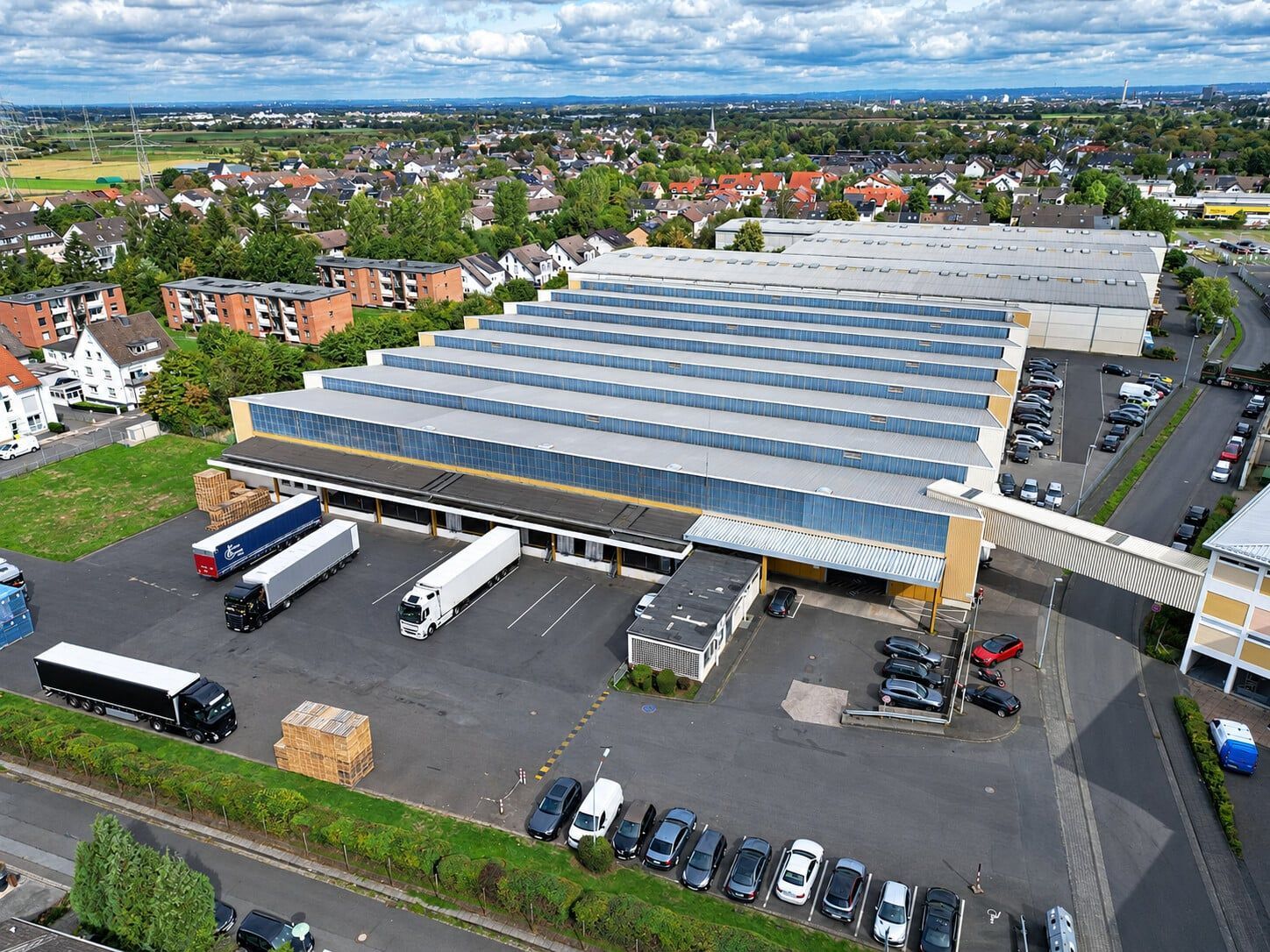
Cologne/Bonn Region: A long-established German brand sold its approximately 19,500 m² distribution center and leased it back on a long-term basis—from initial contact to the signing of the deed in less than four weeks, exclusively brokered.
More About Sale-and-Lease-Back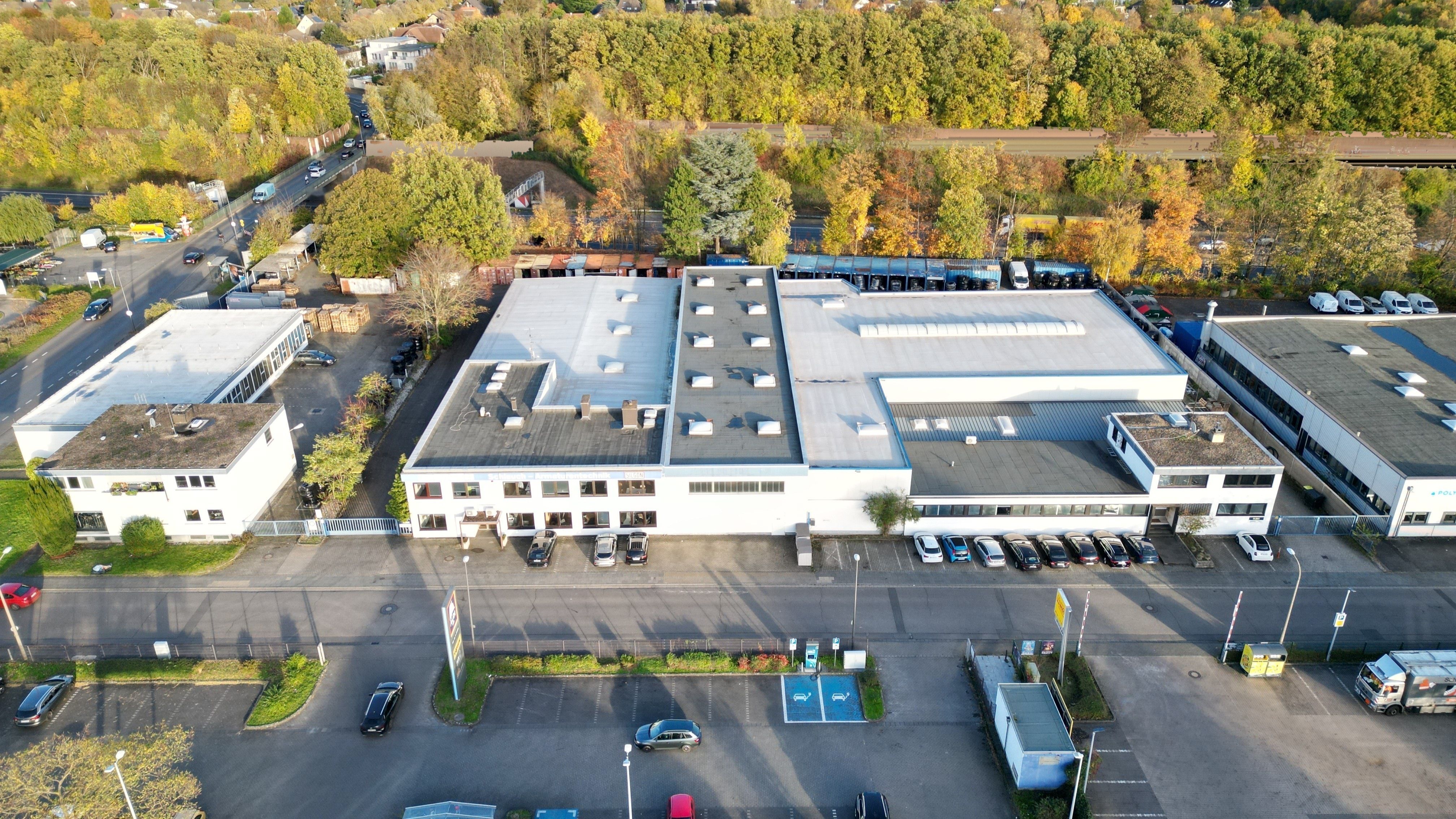
Fully leased commercial property with approximately 4,500 m² of leasable space—sold exclusively and off-market to a Cologne-based family office.
View the news item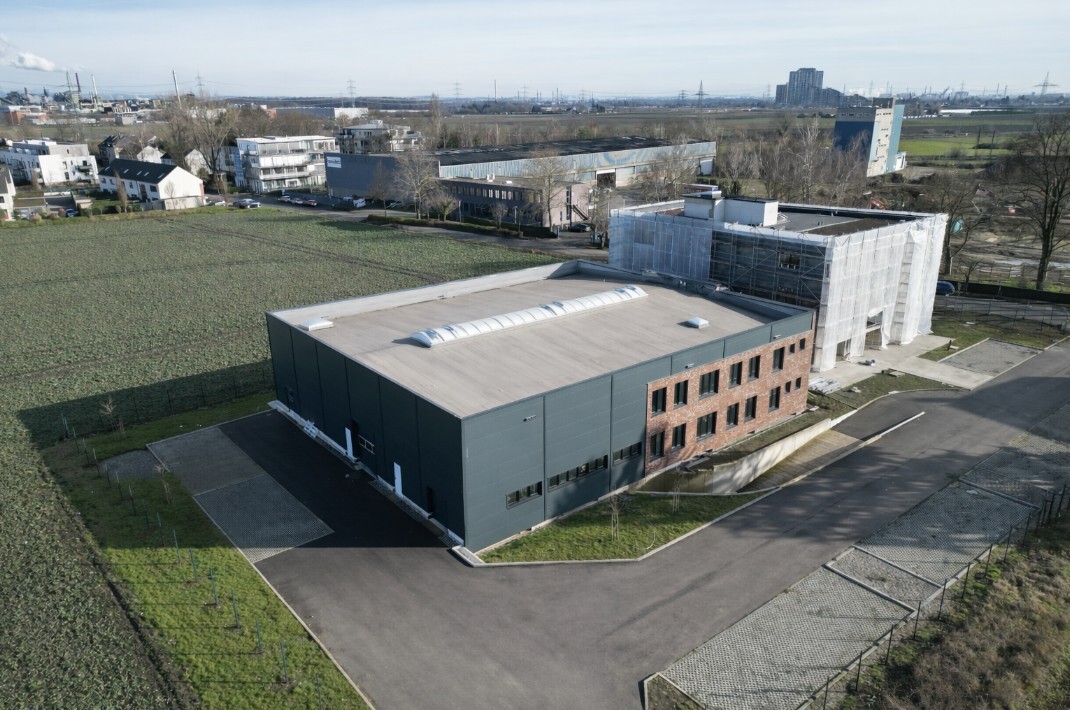
Two office and warehouse properties with a combined usable area of over 4,000 m² in the Cologne area—each sold under an exclusive listing agreement to owner-occupiers.
View the news item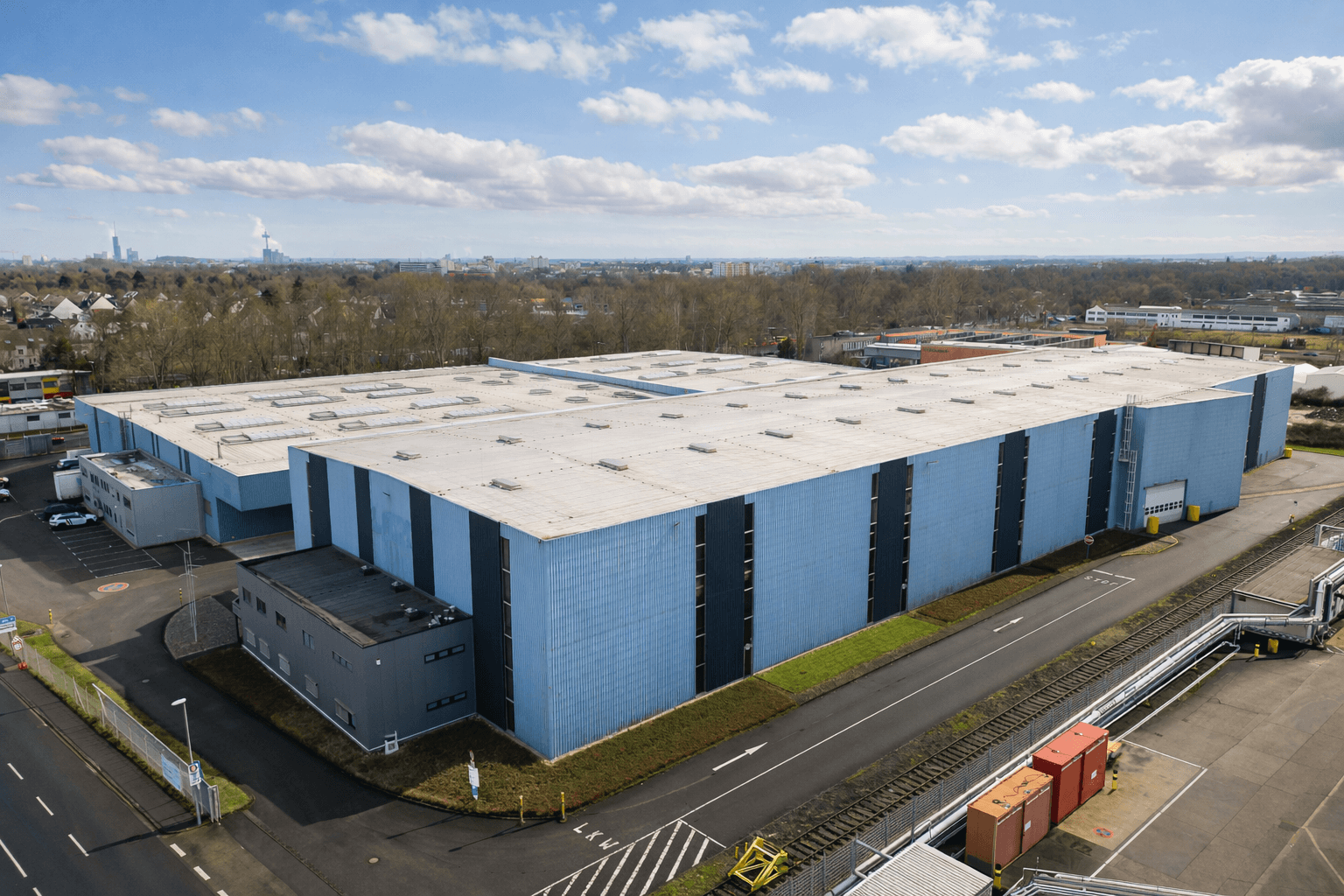
Sale of an approximately 14,700 m² warehouse complex—as part of a dual transaction that also included a long-term lease agreement with KVB.
View the news item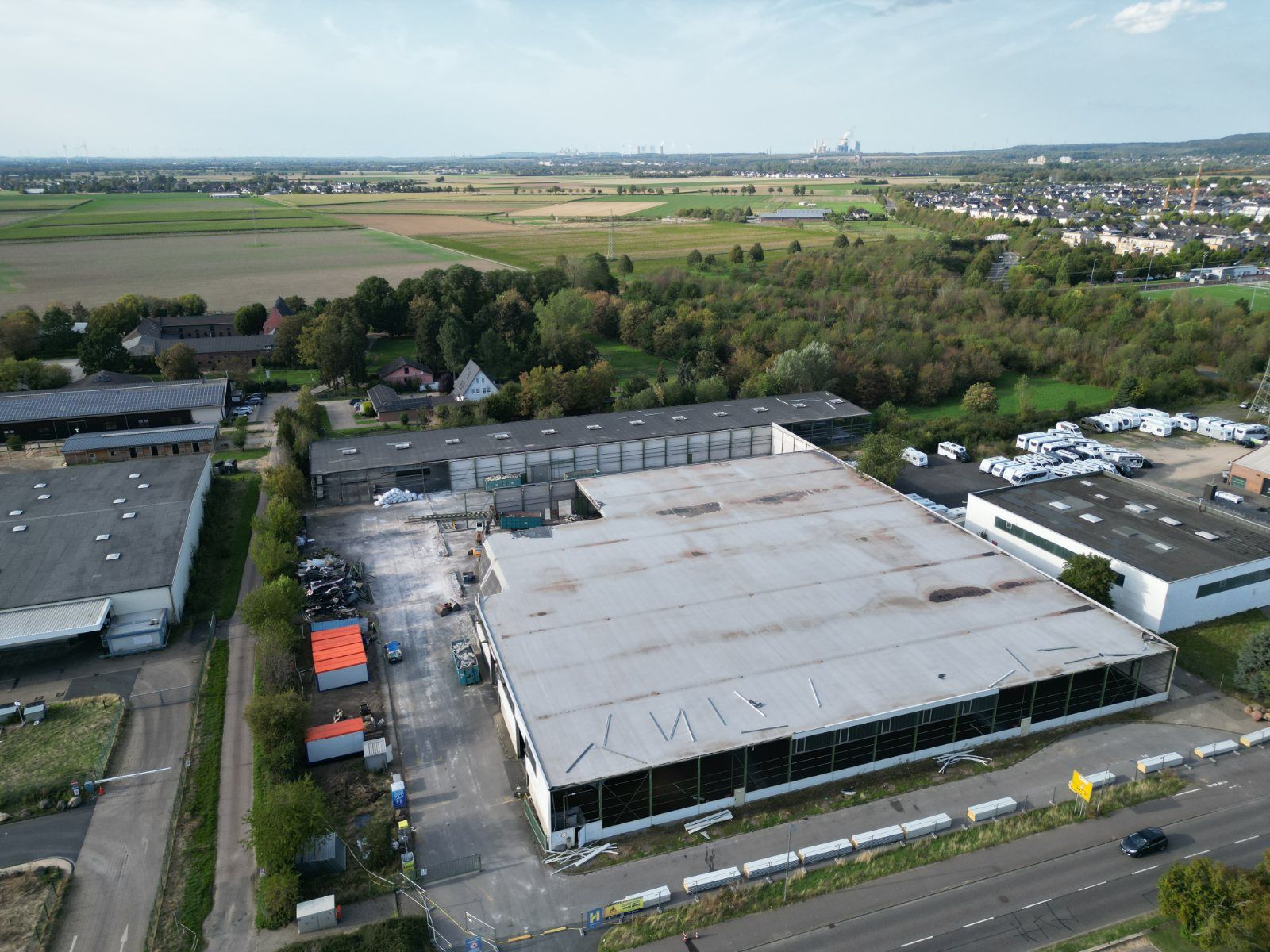
A brownfield site measuring approximately 18,700 m²—sold off-market to a logistics developer, followed by the marketing of the new building.
View the news item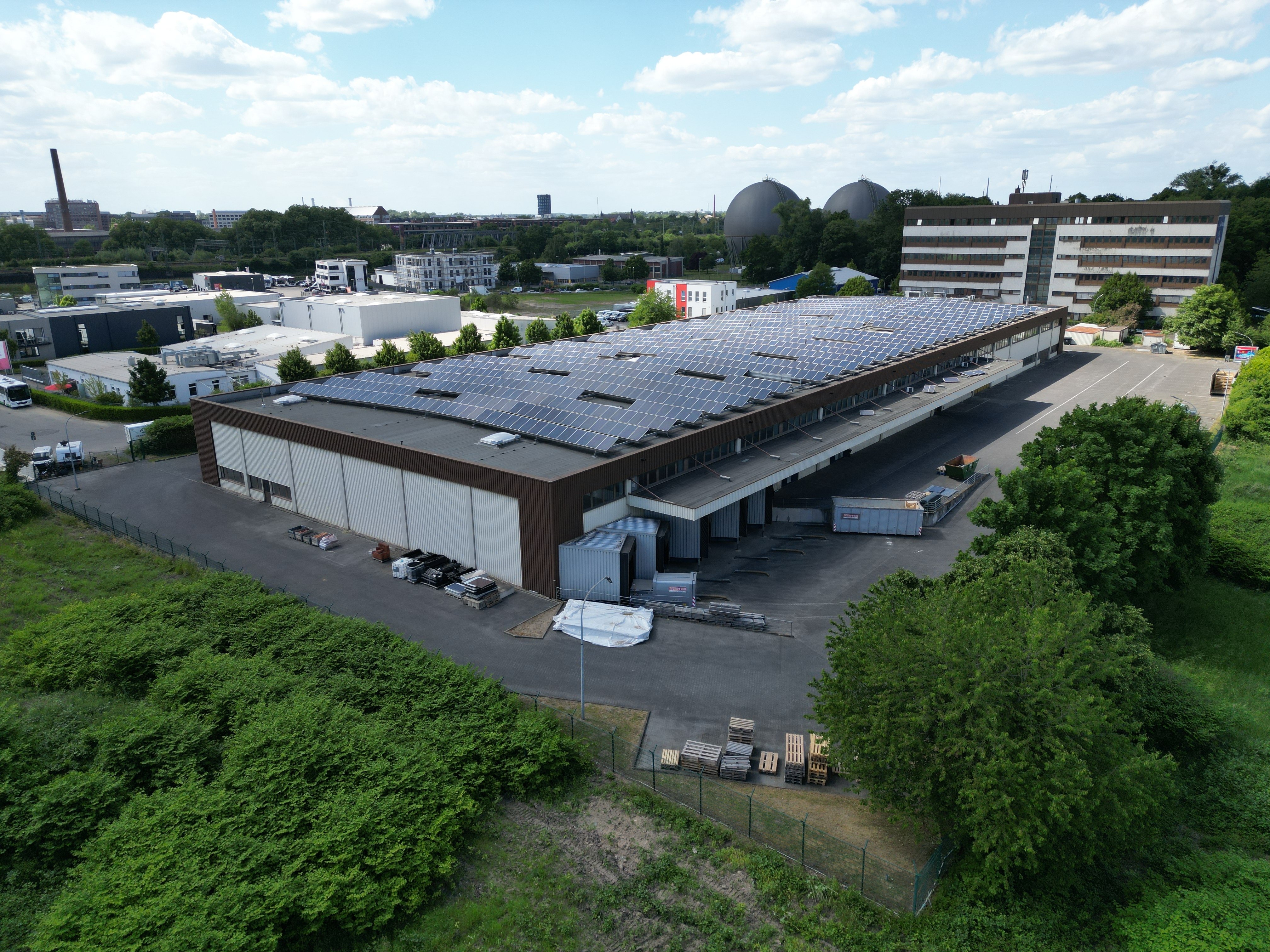
Approximately 5,300 m² of logistics space and 1,400 m² of office space in an inner-city location—sold off-market to an owner-occupier.
View the news item10 Keys to Success in Selling Your Commercial Property
Whether it’s an office building, industrial facility, logistics property, or business park: In our experience, these ten factors determine how successful a sale will be—in terms of price, speed, and certainty all the way through to the notary appointment.
-
1. A reliable baseline figure
The first step is to establish a realistic price range—calculated the way buyers do: based on required returns, rental income, and actual comparable transactions. A well-founded figure gives you confidence in all subsequent decisions. Get a free indicative valuation.
-
2. A consultant with a proven track record
Ask your advisor which comparable properties they have sold in the last twelve months—in your asset class and in your region. Recent sales show that someone is familiar with current demand.
-
3. Direct access to suitable buyers
A good advisor can tell you right away which buyer groups are suitable for your property—and has a database containing at least three-digit number of suitable investors. At Angermann NRW, this database includes over 3,000 structured investor profiles.
-
4. The Right Type of Buyer
Owner-occupiers, family offices, private and institutional investors, and sale-and-lease-back investors all value the same property differently. Those who know for whom the property holds the greatest value can target the right audience.
-
5. Complete documentation prior to market launch
A list of tenants, floor plans, the energy performance certificate, and documentation of investments made in recent years—such as the roof, building systems, or fire safety measures—should be on the table before the initial discussion. Well-documented improvements are factored directly into the price.
-
6. The Right Sales Channel
Open marketing, a phased approach, or a discreet off-market sale: The choice depends on the property, the objective, and the buyer pool. To find out which approach works best and when, see “Sales Channels” below.
-
7. Competition among qualified bidders
A structured process involving several vetted prospective buyers generally yields the best price. Quality over quantity: The key is to find bidders who are a good fit for the property and have sufficient capital.
-
8. Evaluate bids based on quality
The best bid is often the safest: proof of financing, the likelihood of closing, and contract terms matter just as much as the number before the decimal point.
-
9. A Facilitated Due Diligence Process
The buyer’s due diligence phase determines whether the agreed-upon price will hold. A well-managed data room, filtered inquiries, and open communication on technical issues keep the transaction on track.
-
10. Consider Taxes, Legal Matters, and Your Personal Situation Early On
Tax advisors and legal counsel should be involved from the very beginning. And the right timing depends on market conditions and your specific situation: succession planning, liquidity needs, financing, and your investment portfolio.
Are you thinking about selling your commercial property?
Alexander Wunderle, Head of Investment, will discuss your situation with you personally—confidentially and with no obligation.

Alexander Wunderle
Investment, Landlord Services, Tenant Representation, Management Board
Send a WhatsApp messageSell with clarity.
Talk to our investment team—in person, confidentially, and with in-depth knowledge of the Cologne and North Rhine-Westphalia markets.

Alexander Wunderle
Investment, Landlord Services, Tenant Representation, Management Board